
Exploring the Foundations of Physical Conditioning and Wellness
A structured overview of how humans understand, approach, and interpret physical activity — across history, culture, and diverse methodologies.
What Kinestia Aims to Explain
Kinestia is a neutral, independent editorial resource dedicated to presenting structured information about physical conditioning and wellness. The materials here are descriptive and exploratory in nature — covering terminology, historical context, methodological diversity, and conceptual frameworks. No individual instructions are offered, and no outcomes are implied. This resource exists for general understanding and informed self-study.
A Framework for Understanding Physical Activity
Physical conditioning is a broad subject with many intersecting dimensions. Below is an introduction to the principal areas this resource addresses.
Understanding Movement as a Concept
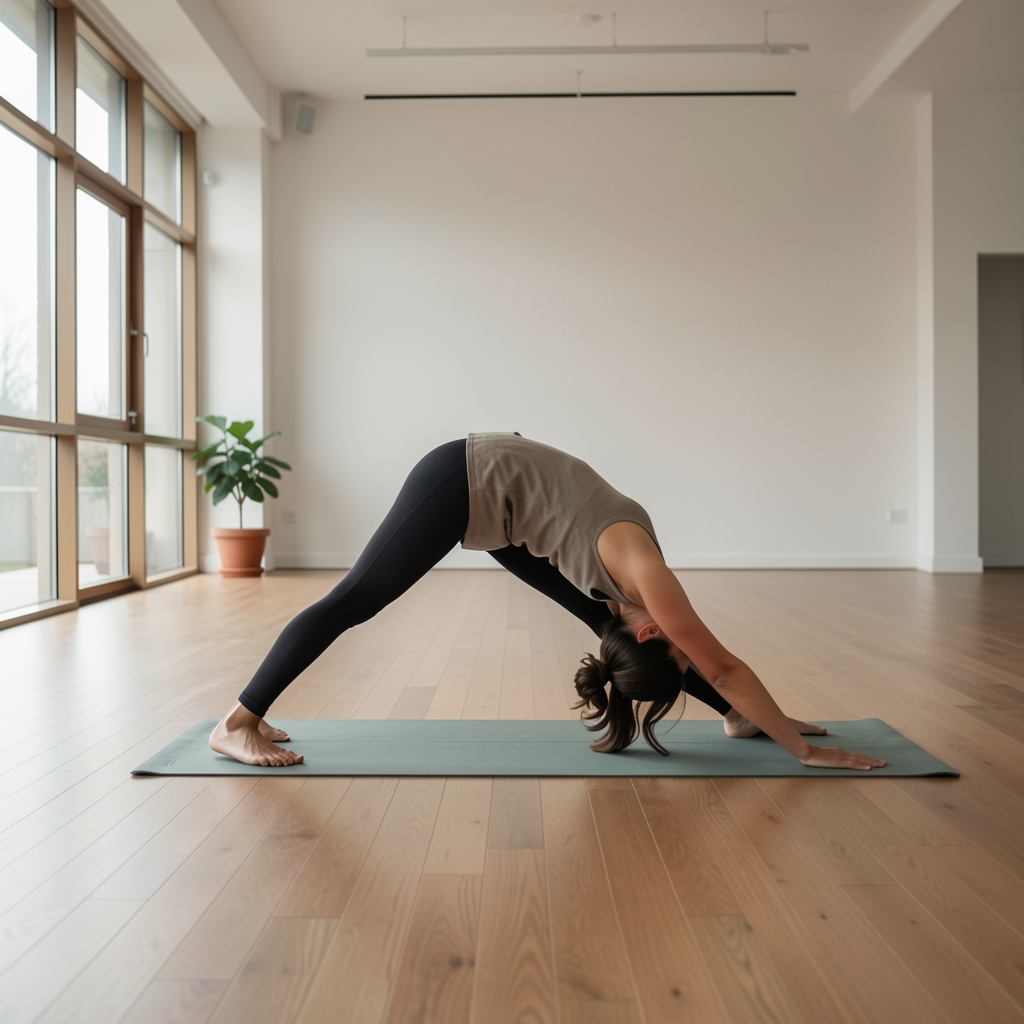
Movement is at the centre of all physical conditioning traditions. From structured athletic regimens to meditative practices, the act of deliberate physical engagement has been interpreted in remarkably diverse ways across cultures and historical periods. Examining these interpretations reveals patterns in how societies conceptualise the relationship between the body, effort, and long-term adaptation.
Concepts such as range of motion, functional strength, and cardiovascular endurance each represent a distinct framework for evaluating physical capacity — none universally superior, but each offering a specific lens for understanding what the body does and how it changes over time.
Diversity of Methodological Approaches
Contemporary understanding of physical wellness draws from a wide range of disciplines: kinesiology, sports science, physical education theory, occupational health, and various cultural traditions of bodily practice. This plurality of approaches means that no single methodology holds a monopoly on valid insight.
This resource maps the terrain of these approaches — describing their origins, core principles, areas of emphasis, and the contexts in which they developed — without advocating for any one over another.

Cardiovascular Activity
An overview of aerobic-based movement, its physiological context, and how different traditions have incorporated sustained physical effort.
Strength and Resistance
How resistance-based physical activity has been understood and categorised across different periods and physical education frameworks.
Flexibility and Mobility
An examination of flexibility traditions, from classical stretching models to contemporary mobility-oriented approaches in physical education.
Rest and Recovery
The conceptual role of rest within physical conditioning frameworks and how different methodologies treat periods of reduced activity.
Nutrition Fundamentals
A general contextual overview of how balanced nutritional frameworks have been discussed in relation to physical activity — without specific prescriptions.
Life Stages and Activity
How approaches to physical conditioning differ across various stages of human development, from youth to older adulthood, in general literature.
Common Misconceptions About Physical Activity
A number of widely held beliefs about exercise and wellness do not align with broader scientific and educational consensus. The following pairs illustrate some frequently encountered misunderstandings.

More exercise always produces better results
Many people assume that increasing the volume of physical activity proportionally improves fitness outcomes at all levels of effort.
Adaptation depends on balance
Exercise science literature consistently notes that physiological adaptation requires adequate rest alongside activity. Volume alone does not determine progress in most frameworks.
Strength training is only for athletes
Resistance-based activity is often associated exclusively with competitive sport or specific aesthetic goals.
Widely applicable across populations
Physical education frameworks from multiple traditions describe resistance-based activity as a component of general physical maintenance applicable across various life stages and activity levels.
Cardio is the primary path to general fitness
Sustained aerobic activity is frequently positioned as the foundational or most important type of physical exercise.
Multidimensional frameworks prevail
Contemporary physical education literature describes fitness as a multi-component concept encompassing cardiovascular endurance, muscular strength, flexibility, and body composition — none fully substituting for the others.
Stretching before exercise prevents discomfort
Static pre-exercise stretching is widely understood as a protective measure before physical activity.
Context and type of warm-up matter
Exercise science perspectives differentiate between static and dynamic warm-up approaches, noting that their roles and timing within a physical activity session are discussed with considerable nuance in educational literature.

Evolution of Fitness Approaches
The way human societies have understood and organised physical activity has changed substantially across time. The following overview traces key conceptual shifts.

Physical Culture in Ancient Societies
Ancient Greek, Roman, and various Asian civilisations developed structured approaches to physical training, linking bodily discipline with civic, military, and philosophical goals. The gymnasium in classical Greece was simultaneously a site of athletic practice and intellectual life.
Emergence of Systematic Physical Education
European Enlightenment thinkers began articulating the case for organised physical education as part of comprehensive human development. The Swedish gymnastic system and German Turnen movement formalised exercise into teachable, structured programmes.
Institutionalisation of Physical Education
Physical education became embedded in school curricula across Europe and North America. The late 19th century also saw the rise of organised sport and the first modern Olympic Games, establishing new frameworks for understanding athletic performance.
Science Enters Physical Culture
The 20th century saw exercise physiology emerge as a formal discipline. Research into muscular adaptation, cardiovascular function, and nutrition began shaping how physical conditioning was understood and described, moving from prescriptive traditions toward empirically grounded frameworks.
The Fitness Movement and Popularisation
Aerobics, jogging culture, and televised exercise programmes brought physical conditioning into everyday life. The concept of fitness shifted from an elite or military concern to a broadly accessible topic discussed in public health contexts.
Pluralism and Holistic Frameworks
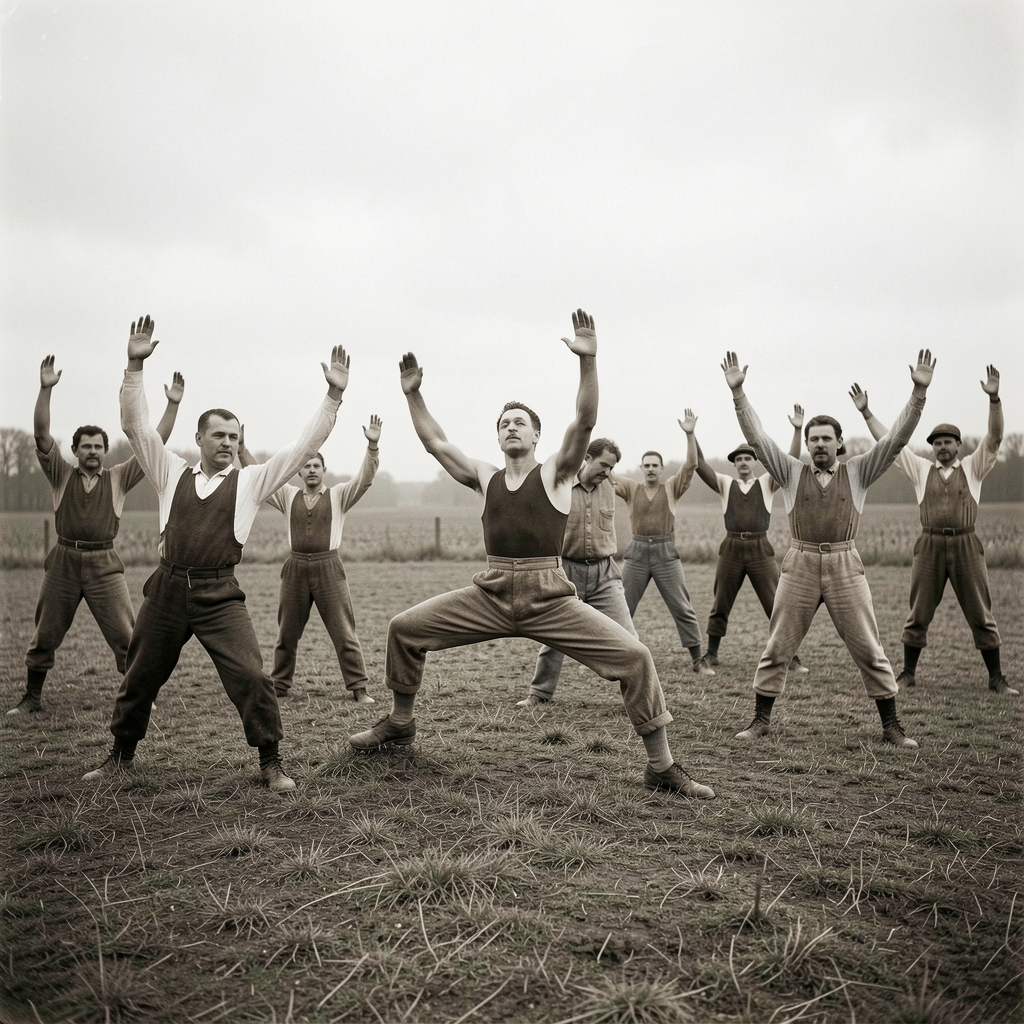
Contemporary discourse integrates insights from exercise science, behavioural psychology, cultural studies, and traditional movement practices. Emphasis has shifted toward balanced, sustainable, and individually meaningful approaches to physical activity across the lifespan.
Frequently Asked Questions
A selection of questions commonly encountered when exploring topics related to physical conditioning.

General Correspondence
Kinestia welcomes general enquiries relating to the content and purpose of this educational resource. If you have questions about the materials, topics covered, or the site itself, use the contact page to reach us.
We review all correspondence during standard business hours and respond as appropriate to website-related communications.
Go to contactsPhysical conditioning, viewed through an educational lens, is ultimately a field of human inquiry — shaped by culture, history, science, and individual circumstance. Kinestia presents this field as it is: multifaceted, evolving, and worthy of careful, unhurried exploration.